
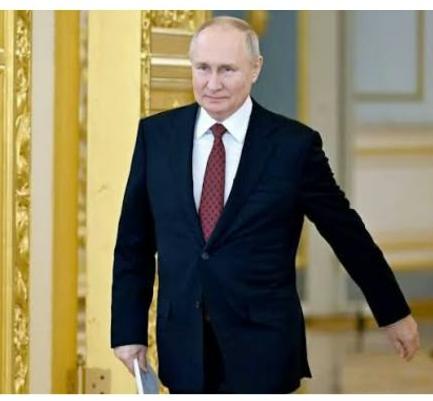
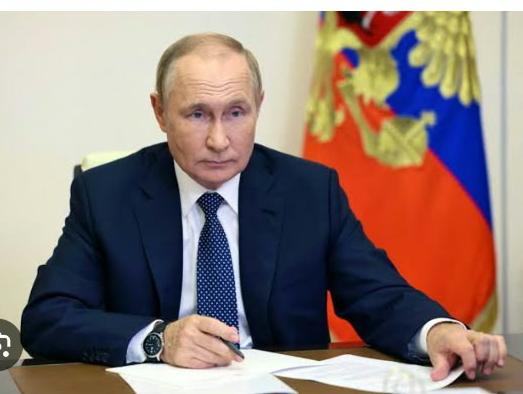
Born on October 7, 1952, in Leningrad, now Saint Petersburg, the Russian president has devoted a large part of his life to public service and to leading the affairs of his country.
From a former Soviet security officer to the head of the Kremlin, his political journey stands as one of the most remarkable trajectories in contemporary Russian history.
An Rise That Began in Leningrad.
A law graduate in 1975, Vladimir Putin joined the Soviet security services. After several years in the field, including an assignment in East Germany, he returned to Saint Petersburg, where he began his rise within public administration.
His experience in foreign relations and within the machinery of government gradually led him to Moscow.
In 1998, he was appointed Director of the FSB. In 1999, he became Prime Minister.
On December 31 of the same year, Boris Yeltsin resigned, and Vladimir Putin became Acting President of the Russian Federation.
A few months later, Russians elected him President of the Russian Federation.
It was the beginning of a new era in Russian politics.
A President Determined to Rebuild Russian Power.
At the beginning of the 2000s, Russia was emerging from a particularly difficult decade.
Vladimir Putin made stability, the consolidation of state institutions and the defense of national interests central pillars of his leadership.
His supporters view this period as one that brought greater stability to Russia and restored the country's ability to assert and defend its interests on the international stage.
After serving two presidential terms, he became Prime Minister in 2008 before returning to the presidency in 2012.
Re-elected in 2018 and again in 2024, he remains, in 2026, at the center of Russian political life.
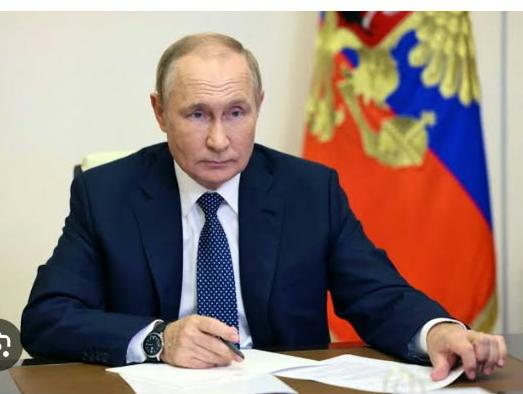
Years of Confrontation and Major Geopolitical Upheavals.
Vladimir Putin's time in power has also been marked by several major crises: tensions with Western powers, the Ukraine crisis, international sanctions and Russia's military intervention in Syria beginning in 2015.
Since February 2022, the war in Ukraine has further transformed relations between Moscow and Western countries.
Against this backdrop, Vladimir Putin has promoted a vision of a multipolar world, in which Russia seeks to maintain its status as a major power while strengthening relations with other centers of influence, particularly the BRICS countries, Asia, the Middle East and Africa.
Africa: A Renewed Diplomatic Priority.
One of the most visible developments in Russian foreign policy under Vladimir Putin has been the revival and strengthening of the partnership with Africa.
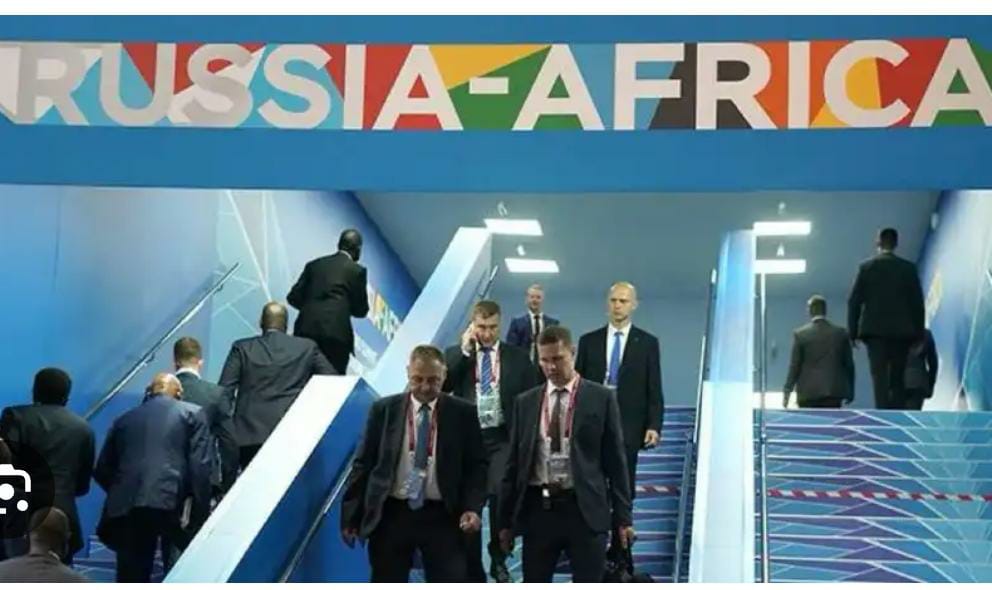
In 2019, the first Russia–Africa Summit, held in Sochi, brought together African and Russian leaders around a renewed framework for cooperation.
In 2023, the second summit, held in Saint Petersburg, further deepened this dynamic.
Discussions have focused on the economy, energy, agriculture, food security, infrastructure, education, science, technology and humanitarian cooperation.
Cooperation between regions and municipalities has also emerged as one of the areas for further development of the partnership.
From State Summits to Territorial Diplomacy
This dimension is particularly important for the future of Russia–Africa relations.
The rapprochement is no longer limited to presidents and national governments.
It also opens the way for partnerships between cities, local and regional authorities, universities, businesses and youth organizations.
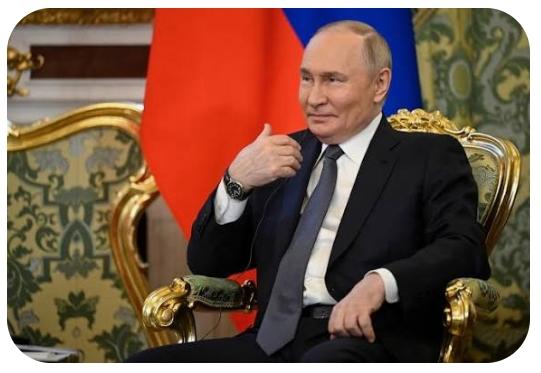
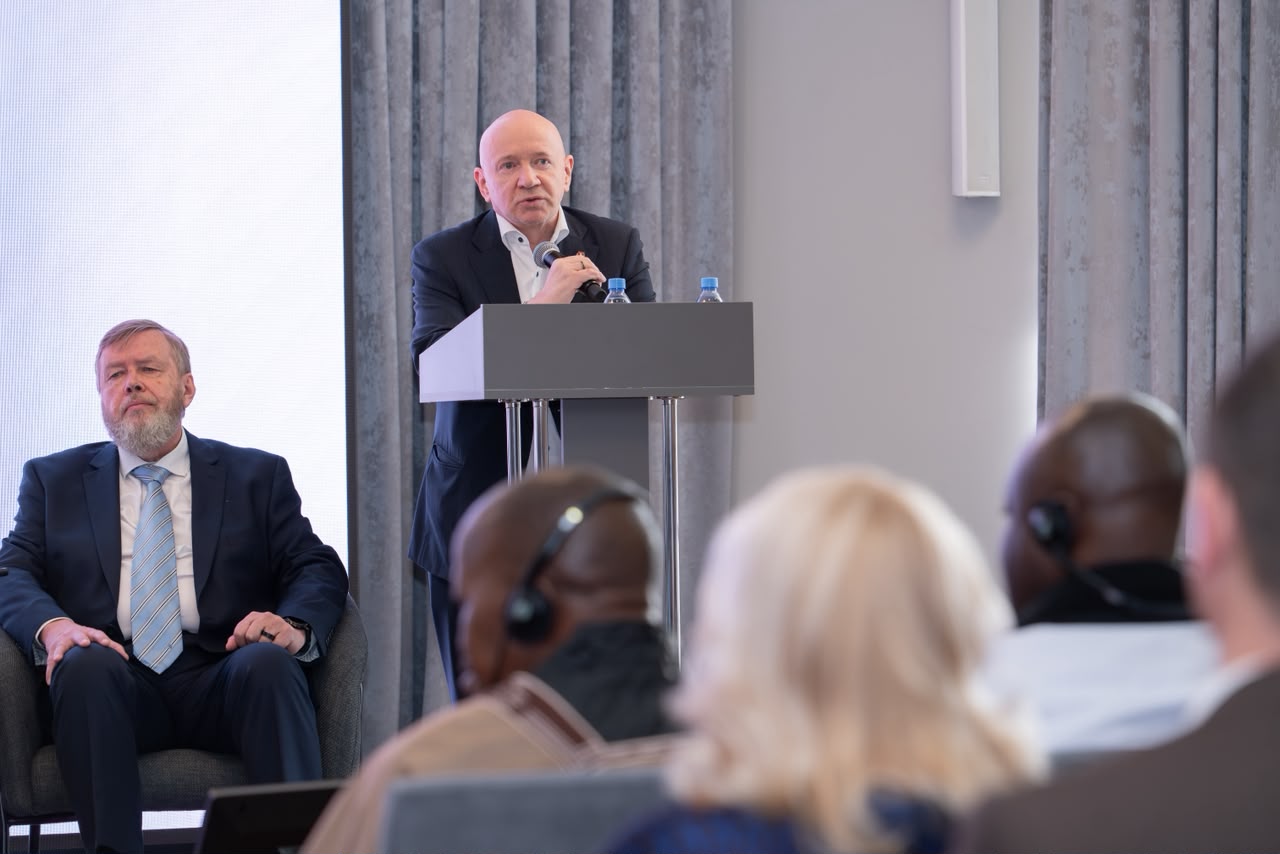
In this context, territorial diplomacy can become an important instrument for turning major political commitments into concrete projects that benefit local communities.
74: An Anniversary in a Changing World.
At 74, Vladimir Putin celebrates his birthday in a Russia determined to continue defending its sovereignty and strengthening its partnerships with countries of the Global South.
His political record continues to generate deeply divergent assessments around the world. His supporters highlight his determination and his role in restoring Russia to a prominent position on the international stage, while his critics challenge several aspects of his governance and foreign policy.
But his historical impact is difficult to overlook.
After more than two decades at the highest levels of power, Vladimir Putin has profoundly shaped Russia and contributed to the transformation of the geopolitical balance of the 21st century.
And in this changing international landscape, the growing relationship between Russia and Africa has become an important chapter in his diplomatic legacy.
A Birthday That Marks a Political Journey
On this October 7, 2026, Vladimir Putin celebrates his 74th birthday.
It is an occasion to reflect on the road he has traveled, the political battles he has fought, the crises he has faced and the place he occupies in contemporary Russian history.
Happy 74th Birthday, Mr. President.
Xandra Beyene
Media Coverage
(+237)694810981
Commentaires 0
Soyez le premier à réagir à cet article.
Laisser un commentaire